Upgrade Your Outdoor Area: Expert Garden Design Tips for a Gorgeous Home Landscape
Converting an exterior environment into a beautiful residential landscape involves careful design and conscious execution. By analyzing the unique features of a yard, individuals can set clear garden objectives. Picking plants that thrive in the local climate is crucial. Moreover, integrating functional landscape features enhances both attractiveness and usability. Still, the experience doesn't stop at that point. Learning to sustain visual appeal and ecological balance can uplift any landscape significantly. Which tactics lead to successful long-term results?
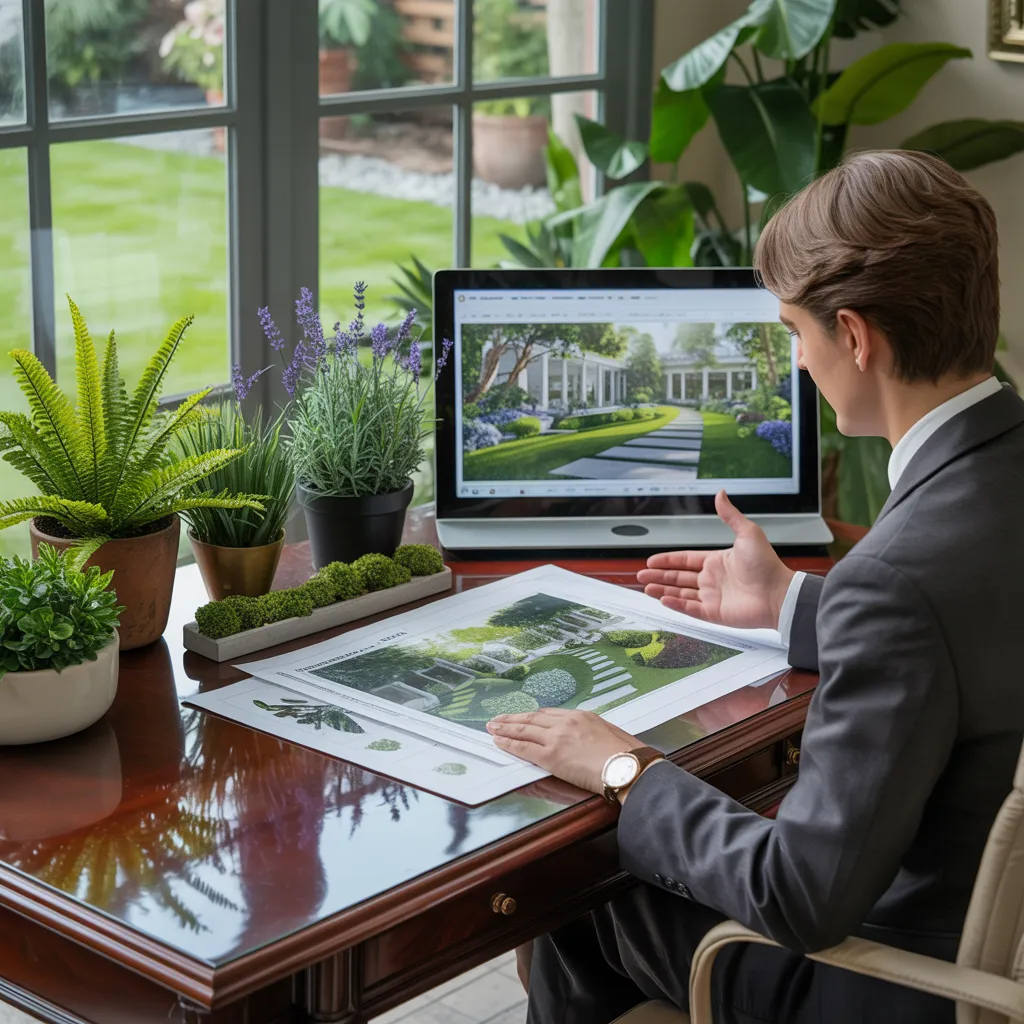
Analyze Your Yard to Set Your Landscape Design Goals
Before starting on any landscaping project, it is vital for homeowners to evaluate their exterior environment completely. This initial evaluation allows them to comprehend the unique characteristics of their yard, such as sunlight exposure, ground composition, and existing vegetation. Determining these elements helps in determining which design elements and features can be successfully incorporated into the area.
Homeowners should record dimensions and note any obstacles including vegetation, barriers, or pathways that may affect the design. Additionally, understanding personal preferences and lifestyle needs—including entertainment spaces, growing plants, or leisure—can guide the landscaping goals. By clearly defining these objectives, property owners set a strong base for a unified and practical exterior space. This careful evaluation results in a more successful and satisfying landscaping project, ensuring that the outdoor space not only enhances the property's appearance but additionally meets the practical needs of its residents.
Select the Best Plants for Your Local Climate
Selecting the right plants for a particular region is critical for creating a flourishing exterior environment. Understanding local weather patterns, such as heat levels, precipitation, and moisture levels, helps homeowners select plants that will flourish. Indigenous vegetation typically adjust best, requiring less upkeep and irrigation. For example, water-efficient plants are ideal for dry climates, whereas water-preferring plants flourish in moisture-rich environments.
Gardeners should additionally take into account seasonal changes; choosing vegetation that offers continuous appeal enhances the garden. Spring-flowering plants, summer perennials, and vibrant fall foliage can develop a dynamic visual experience. Additionally, consulting neighborhood nurseries or agricultural resources can provide helpful information into hardy plant varieties suited to particular regions.
Ultimately, a strategically designed vegetation arrangement not just enhances beauty but additionally supports local wildlife and supports environmental sustainability, which makes it a wise choice for every outdoor space transformation.
Transform Your Garden With Functional Hardscaping Components
Functional hardscaping elements play an crucial role in defining outdoor spaces and improving their functionality. By incorporating seating areas and carefully planned walkways, homeowners can create inviting environments that encourage relaxation and movement. Additionally, edging can separate different zones within the garden, creating organization and visual interest. components in defining outdoor spaces and enhancing their usability. By incorporating seating areas and thoughtfully constructed walkways, homeowners can create appealing outdoor areas that encourage leisure and circulation. Additionally, edging can define different zones within the garden, establishing layout and visual interest.
Establish Your Outdoor Setting
Creating a carefully planned outdoor space can transform a garden into an inviting retreat. One effective way to achieve this is through functional hardscaping elements, which establish structure and layout. Walkways made from stone or brick guide guests while enhancing aesthetics. Retaining walls can create tiered levels, enhancing the garden's overall design and stopping soil loss. Barriers or lattices can mark borders, providing privacy and a sense of enclosure. Incorporating raised garden beds not only defines planting areas but also makes them more accessible. These elements function together to establish separate areas that enhance both aesthetics and functionality. Ultimately, a clearly organized outdoor space creates a peaceful setting where homeowners can relax and enjoy nature.
Include Sitting Spaces
Incorporating seating areas into an outdoor space greatly enhances its usability and appeal. By adding practical hardscape features, homeowners can create inviting spots for rest, gathering, or appreciating the outdoors. Options include benches, patio sets, or hammocks, each contributing to the garden's aesthetic and coziness. Thoughtfully positioning chairs near key areas like garden displays or fountains, prompts visitors to interact with their environment. Additionally, using materials like stone or wood can match the landscape's style, maintaining visual unity. Overhead coverings, such as arbors or parasols, provide comfort during warmer months, making these areas usable year-round. Ultimately, expertly crafted sitting zones convert a standard yard into a welcoming retreat for loved ones and guests.
Create Pathways And Edges
Borders and pathways function as essential elements in garden design, navigating people within the garden while enhancing its compositional integrity. They promote order and circulation, facilitating the distinction of various areas and plant choices. Brick, stone, or gravel options can build permanent passages, while borders derived from ornamental fencing or shrubs boost aesthetic appeal. Pathways can encourage wandering, emphasizing elements like garden beds or fountain features. Well-maintained borders prevent weed encroachment and ground deterioration, promoting garden vigor. When combined, pathways and borders increase functionality while improving stylistic appeal of your exterior environment, making settings more appealing and enjoyable.
Design Flow Through Pathways and Rest Areas
A well-planned garden setting typically includes a balanced circulation established through deliberately situated walkways and rest zones. Walkways direct guests across the garden, providing a definite sense of orientation while enriching the general visual quality. Selecting options such as wood, stone, or gravel can add to the walkway's aesthetic value and ensure longevity.
Rest zones offer resting spots, encouraging visitors to stop and enjoy the environment. Placing seating deliberately near highlights, like a water feature or a planted area, promotes engagement with the outdoor setting. Your seating selection—chairs, benches, or even swings—will affect the mood, whether formal or relaxed.
Combining walkways and sitting spaces generates a warm environment, upgrading utility and contentment. In tandem, they construct a smooth flow between distinct areas of the garden, stimulating exploration and rest, ultimately reshaping any exterior setting into a calm escape.
Enrich Your Outdoor Space With Seasonal Shades and Character
To boost the decorative value of a garden, strategic selection of seasonal species is vital. Mixing contrasting surface qualities can establish dimension and appeal, while intentionally positioned centers of interest can grab focus and establish a harmonious arrangement. These components in combination promise a vibrant and active outdoor area across the year.
Select Seasonal Plants with Consideration
Selecting plants that bloom seasonally carefully can transform explore this any garden into a dynamic display of colors and textures. By choosing plants that flower during different seasons, gardeners can guarantee a continuous display of beauty. Spring-flowering bulbs, summer flowering plants, autumn perennials, and winter evergreens each contribute distinctive colors and shapes to the landscape. It is essential to take into account local climate conditions and soil types, as well as the plants' development patterns. Indigenous plants often grow more successfully with minimal upkeep, boosting ecological diversity. Additionally, combining plants with varying heights and bloom times can create a dynamic visual effect. Ultimately, careful plant choices fosters a landscape that transforms throughout the year, providing beautiful displays all year long.
Create Textured Layers To Achieve Depth
Making depth in a garden involves layering textures that complement and enhance seasonal color. By incorporating a variety of plants with differing foliage shapes, sizes, and colors, one can achieve a visually dynamic landscape. For instance, the use of broad-leaved plants alongside fine-textured grasses can produce visual contrast and allure. Additionally, weaving in bark, gravel, and ecological materials presents tactile elements that strengthen the garden experience. Seasonal blooms must be thoughtfully placed to deliver color highlights across all seasons, ensuring that each layer remains visually interesting. This strategic plan not only captures attention across the landscape but also fosters an immersive atmosphere where every detail contributes to the garden's beauty and harmony.
Feature Design Elements Strategically
Deliberately placing focal points can greatly improve a garden's visual charm and seasonal energy. These key visual elements act as visual magnets that focus attention and establish harmony. Gardeners can employ features like art pieces, specimen trees, or brilliant plantings to establish visual excitement. Seasonal color can be infused through the mindful selection of plants with staggered flowering maintaining the garden's vibrancy across all seasons. Textures also prove essential; pairing polished walkways with coarse textures or thick vegetation adds depth. By thoughtfully placing these elements, a gardener can foster a welcoming space that prompts discovery and delight, turning a garden into an enticing escape.
Implement Eco-Friendly Approaches to Foster a Healthy Garden
Embracing environmentally-conscious approaches is important for fostering a thriving garden that succeeds in sync with the surroundings. Growing enthusiasts are urged to use naturally-occurring vegetation, which need lower moisture and attention while enhancing community animals. Using natural horticultural techniques, such as organic waste conversion and chemical-free pest management, can greatly reduce chemical applications, promoting a stronger biological community
Moisture-saving techniques, such as efficient water delivery and water collection systems, boost green practices by improving efficient resource allocation. Using mulch layers not only conserves moisture additionally prevents weeds, reducing the demand for herbicides. Moreover, promoting ecological diversity by integrating a variety of plants builds resistance against harmful organisms plus infections.
Healthy soil is essential; strategies such as rotating crops and cover cropping keep nutrient levels excluding synthetic nutrients. By implementing such environmentally-conscious methods, horticulturists can build an excellent environment that fosters vegetation and ecological balance, creating a more rewarding growing experience.
Resolve Frequent Problems to Sustain All-Season Garden Appeal
A properly-cared-for outdoor space can face various challenges year-round, influencing its general appearance and vigor. Typical problems encompass pest outbreaks, insufficient nutrients, along with insufficient water. Spotting pests quickly is essential; growing enthusiasts should consistently review foliage for signs of damage and handle pest problems with organic pesticides or else bringing in natural predators.
Nutrient shortages commonly manifest as leaf yellowing or slow growth. Conducting soil analysis can help determine individual necessities, allowing for targeted fertilization Lacking minerals frequently display as leaf yellowing as well as stunted growth. Performing soil assessments can assist identify distinct needs, enabling focused nutrient application bringing back equilibrium. Also, securing adequate water supply is important; too much water can cause rotted roots, while too little water challenges growing things.
Seasonal shifts also require adjustments in care. In winter, mulch application guards plant roots from ice, whereas summer months may demand higher water needs plus partial shade for tender plants. Through addressing these typical problems promptly
Can I Execute Landscaping Myself or Hire a Specialist?
You can certainly complete garden work independently, utilizing online resources and original ideas. Yet, hiring a professional provides skill, efficiency, and better outcomes, particularly for complicated projects or substantial jobs that need professional expertise.
Which Items Are Important for Yard Landscaping?
Vital tools for residential landscaping feature a rake, digging tool, digging tool, hedge shears, garden fork, and a garden hose or sprinkler can. These items help successfully handle dirt, plants, and overall garden maintenance, guaranteeing professional landscaping
How Can I Successfully Maintain My Garden Area Over the Growing Season?
To maintain a garden area throughout the year, one should consistently cut back garden plants, add wood mulch for thermal protection, watch soil moisture, and use seasonal planting strategies. Additionally, pest control and feeding are required for flourishing, vibrant plants.